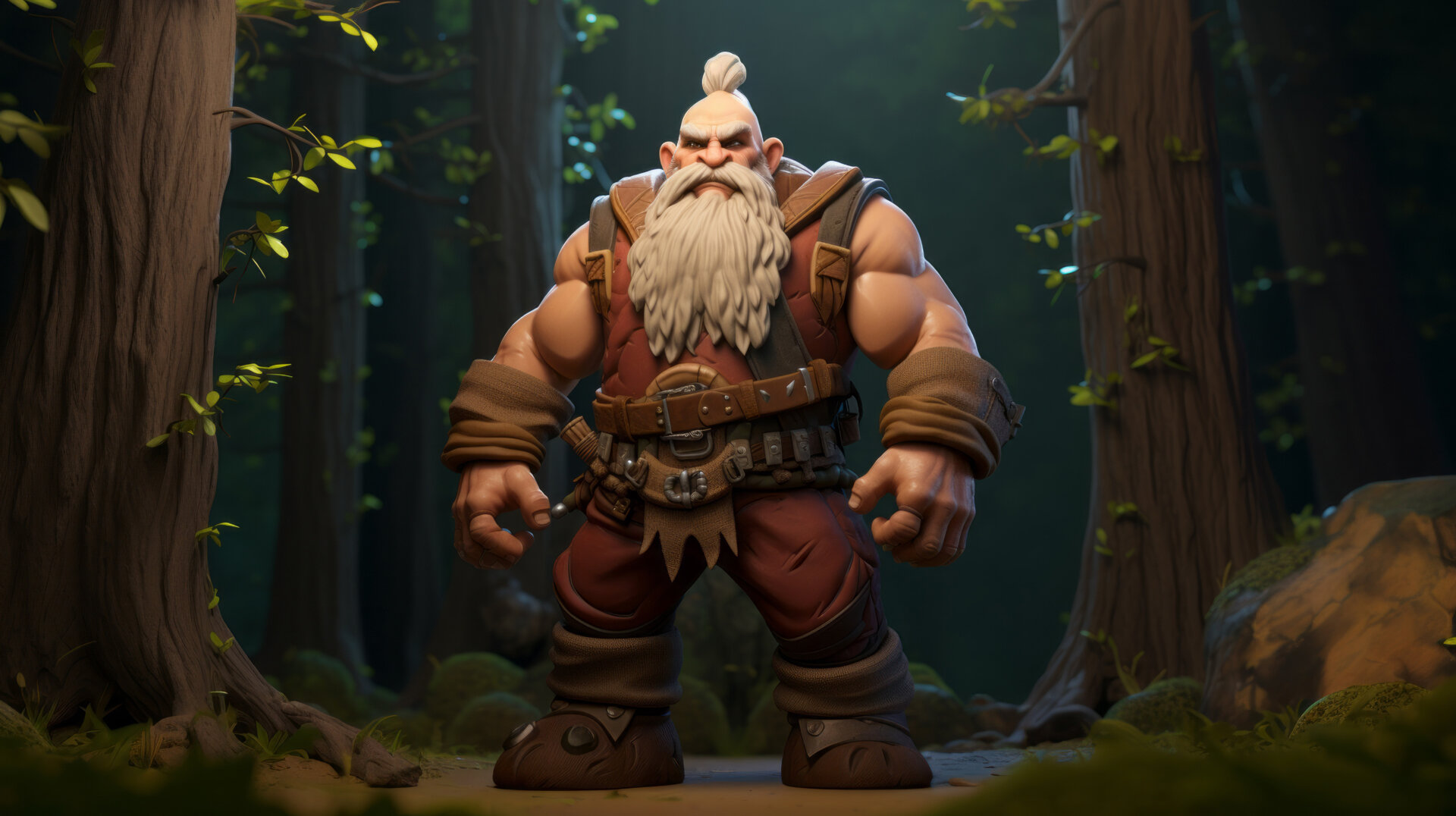
Everyone has a favorite game character, whether they admit it or not. No doubt about that. Whether they are veteran gamers or rookies in the gaming scene, most people, if not all, can name at least one iconic game character. You read it right. You can ask just about anyone who their favorite game character is, and they will have an answer for you. That is the impact game character design has.
In modern gaming, characters are so great that they transcend the video game barrier. More than playable avatars, they represent personality, motivation, and emotional connection, while staying true to the gameplay mechanics. The result of strong video game character design is visible in these characters, and it is not accidental. It is a product of brilliance, collaboration, creativity, and several months of work (sometimes even more).
If you are interested in creating a game character like Mario, Pikachu, Lara Croft, or Zelda that turns into a global cultural icon, read until the end! This guide will explore the principles behind character design for video games. At the same time, it explains how players connect with game characters, and why meaningful design actually matters.
Learning Game Character Design

Many aspiring designers look for structured learning paths, such as a game character design course that focuses on anatomy, theory, and game integration. It is actually a must to understand how to design game characters, as it requires artistic and analytical skills.
So, before you go all in, we will help you learn the fundamentals first.
What is Game Character Design?
At its core, game character design is a type of concept art in games that involves the process of creating characters that feel believable, functional, and emotionally engaging within a game world. Doing character design for games means creating the visual appearance, personality traits, backstory, animations, voice, and interactions.
Take note that the gaming character design must balance creativity and usability. Characters must look appealing, feel responsive, and communicate their role clearly to players. Imbalance in this area is what makes a game character lacking.
Why Does Character Design Matter in Video Games?
The primary purpose of creating effective character design for video games is mainly psychological. In other words, there should be solid immersion. As we all know, characters that feel authentic and meaningful tend to attract more players to invest time and emotion in the game. Moreover, strong video game character development goes a long way in bringing in better feedback and figures in general.
Five Easy Steps to Do Game Character Design
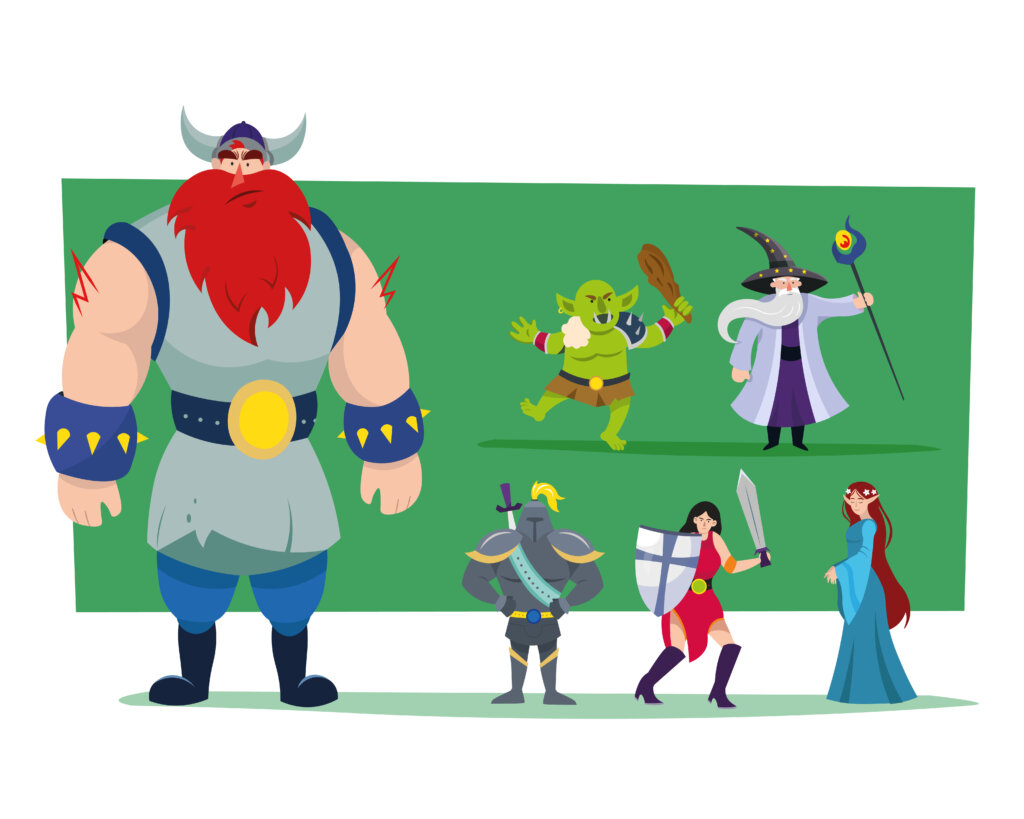
What is the trick to making characters stick? How do you create characters that will resonate with people? Ask no more, as we will provide easy-to-follow steps on how to design video game characters.
Step 1: Plan a Character Concept
When you design a game character, you do not simply dive in. It is important to plan exactly what you want out of your character. That is the reason why designers usually start with a clear concept. A good place to begin is with your character’s general nature. Determine the archetype, moral alignment, role, strengths, and weaknesses. Is your character a heroic, morally righteous person? Is she a gunslinger? Is he a cunning rogue? A smelly trickster? A fiendish creature? It can help you define some parameters and focus your brainstorming when designing game characters.
Step 2: Create Backstory and Motivation
Backstory plays a critical role in character design for games. It will inform the character’s actions and provide the character with motivations. Even if not explicitly stated in the narrative, the past of a character influences their behavior, dialogue, and decisions. Ultimately, it will determine how the character’s relationship with others shapes.
Step 3: Define Personality
In order to resonate with the audience, the character should come from an authentic place. You must understand that well-designed characters feel human, even when they are fantastical. In short, personality is key in designing video game characters. Yes, we have the backstory, but there’s more to think about. For example, does your character ever tell a lie? What would he lie about? To whom? People don’t act without reason, and neither should your character. It’s important to ground your character’s decision-making and action-taking in reality.
Step 4: Decide on the Visual Design and Readability
After mapping out just about all there is to know about your character, it is time to determine the looks. Players should immediately understand the role of a character through appearance alone. Therefore, in every step of the visual stage, you need to make sure you’re capturing the essence of the character. For instance, tanks are beefy and look like they can take some damage, rogues are lithe and darkly dressed, while healers embrace robes and radiate golden auras. For added visual clarity, you can use silhouettes, color palettes, and animations.
Step 5: Add Customization Options
Modern titles often feature video game customization, and that includes character design. Games with character creation or games with the best customization keep players engaged. You can introduce player control for facial structures, body proportions, hairstyles, clothing, and the like. Of course, you still need to ensure that even if you make characters for games with the most customization, design coherence must be maintained.
Actionable Next Steps
- Begin drawing
- Transform Character Design from 2D to 3D
- Add references to motion
- Polish the Character Design
Quick Tips for Doing Game Character Design
 Now that you know how to create a game character, take note of these tips to avoid mistakes and have a smooth workflow.
- Align character design for the intended genre.
- Make sure characters are memorable.
- Employ simple designs.
- Ensure originality and uniqueness.
- Be culturally sensitive.
Games With Good Character Design
Games with good character creation should be cherished, as they let us fulfill our gaming dreams. These games have fulfilled all of the necessary criteria for good character design.
- Dragon’s Dogma
Dragon’s Dogma really shines in character design. It allows you to dive into the story as your very own, unique person. You can also customize posture, leg size, torso thickness, and multiple eye colors. And that is only scratching the surface!
- Fallout 4
The release of Fallout 4 in 2015 allowed players to go a step further than designing just the player character. You can zero in on specific features of your character’s face, hair, eyes, and more. You can meticulously whittle down features, making this character pretty much whatever you want them to look like.
- Monster Hunter: World
Monster Hunter: World has a solid character creator. Your cool fantasy character has a respectable bunch of options for some rugged, extravagant, and exciting character design.
- Black Desert Online
This game goes above and beyond when designing characters. It has such a robust swath of options to choose from for your characters that there isn’t an excuse not to create whatever pops into your brain. The sky’s the limit here, and Black Desert Online allows you to paint a picture with your mind on its beautiful canvas.
- The Sims 4
The Sims started with offering you templates of characters, mimicking deep customization rather than giving the player control. Now that we are on the 4th iteration of the iconic series, character customization has truly never been better. Installing mods and tooling around with the characters can result in some truly wonderful and pretty creations.
- Overwatch 2
In Overwatch 2, every character has a unique appearance but still manages to fit within an archetype. Each character has a distinct personality and psychology. Not only are the characters completely different from each other, but their personality, appearances, and overall designs also inform the players of how they should be played.
Key Takeaways
Game character design combines creativity, psychology, and gameplay. This enables the character to be fun to play, fun to look at, and fun to listen to. Beyond entertainment, players must feel fully immersed through the video game characters design. It will make them think back to the moments they’ve shared with that character, and long for more.
Now that you know the basics of designing game characters and their impact on video games, you will start realizing that character design is what turns pixels into unforgettable experiences in gaming.

